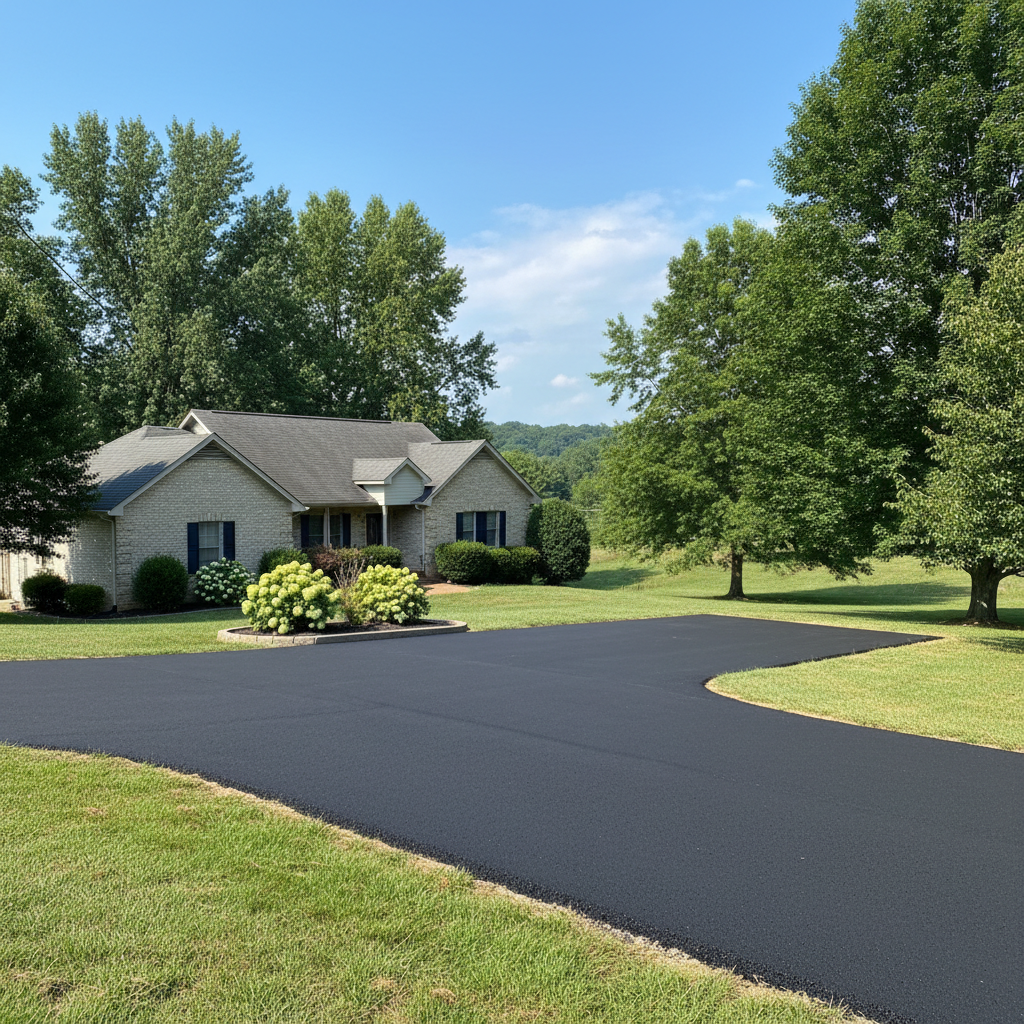
Finding a good asphalt contractor for your home or business isn't rocket science, but it does take a little homework. I've seen plenty of folks get burned over the years by fly-by-night operations or just plain shoddy work. As a local guy running Neighborly Asphalt Co, I want to make sure you know what to look for so you get a solid job done right here in Bowling Green.
Questions to Ask Every Contractor
When you're talking to a contractor, don't be shy. You're about to spend a good chunk of change, so ask away. Here are the big ones:
How long have you been in business? This isn't just about age; it's about stability. Someone who's been around for a decade or more has seen it all and isn't likely to disappear overnight.
Can you provide references? And don't just take their word for it. Call those references. Ask about communication, timeliness, and if the final product matched their expectations. Ask if they'd hire them again.
Are you licensed and insured? This is non-negotiable. If they're not, you're opening yourself up to major liability if someone gets hurt on your property or if they damage something. Ask for proof, not just a verbal 'yes.'
What's your process? A good contractor can explain, step-by-step, how they'll tackle your job. From site prep to final compaction, they should know their stuff. If they can't explain it clearly, that's a red flag.
What kind of materials do you use? Not all asphalt is created equal. They should be able to tell you the mix they're using and why it's appropriate for your project. For example, a heavy-traffic commercial lot needs a different spec than a residential driveway.
What's your warranty? A reputable company stands behind its work. Get the warranty details in writing. What does it cover? How long does it last?
What to Look for in a Quote
You'll probably get a few quotes, which is smart. But don't just compare the bottom line. Dig into the details:
Detailed breakdown: A good quote isn't just one number. It should itemize everything: site preparation, materials (type and quantity), labor, equipment, and any extras like drainage work or grading. If it's just a single line item, walk away.
Scope of work: Does it clearly state what's included and, just as importantly, what's not included? This prevents misunderstandings down the road.
Payment schedule: Most contractors will ask for a deposit, but it shouldn't be the whole thing upfront. A common schedule might be 10-20% down, with the rest due upon satisfactory completion. Be wary of anyone demanding 50% or more before any work starts.
Start and completion dates: While weather can always throw a wrench in things, a quote should give you a realistic timeframe for when they expect to start and finish.
Written, not verbal: Always get it in writing. Always. A verbal quote is worth nothing if there's a dispute.
Red Flags You Can't Ignore
I've seen these pop up over and over again. If you spot any of these, it's time to politely decline and move on:
Door-to-door solicitations: Someone shows up unannounced, says they just finished a job down the street, and has 'extra' asphalt. This is a classic scam. They'll often use inferior materials, do a rush job, and disappear.
Cash-only demands: While some smaller jobs might be cash, a legitimate business will always accept checks or other traceable payment methods. Cash-only often means they're trying to avoid taxes or don't have proper business practices.
No written contract: We just talked about quotes, but the contract is even more critical. If they won't put everything in writing, you have no legal recourse if things go south.
High-pressure sales tactics: 'Sign today or the price goes up!' or 'This deal is only good right now!' A reputable contractor gives you time to think and compare.
Unmarked vehicles or out-of-state plates: While not always a deal-breaker, it's something to note. Local businesses usually have marked trucks. Out-of-state plates can sometimes indicate a storm chaser who's here today, gone tomorrow.
Extremely low bids: If one quote is significantly lower than all the others, there's usually a reason. They might be cutting corners on materials, labor, or simply don't know what they're doing. You get what you pay for, especially with asphalt.
Verifying Legitimacy
Before you sign anything, do a little digging:
Check the Better Business Bureau (BBB): Look up their rating and read customer reviews. Complaints and how they were resolved can tell you a lot.
Online reviews: Google, Yelp, Facebook – check them all. Look for consistent patterns, good or bad. Don't just trust a few glowing reviews; look for a good number over time.
Kentucky Secretary of State: You can often verify if a business is registered and in good standing through the state's business entity search. This confirms they're a real, legal entity.
Ask for their insurance certificate: Don't just take their word for it. Ask their insurance company to send you a certificate of insurance directly. This proves they have active coverage for liability and workers' comp.
Local presence: Do they have a physical address you can visit? A local phone number that's consistently answered? A strong local presence, like Neighborly Asphalt Co, usually means they're invested in the community and aren't going anywhere.
Look, hiring for an asphalt job, whether it's a new driveway in Alvaton or a parking lot repair down by the Corvette Museum, is a big decision. Take your time, ask the right questions, and trust your gut. A little effort upfront can save you a whole lot of headache and money down the road.