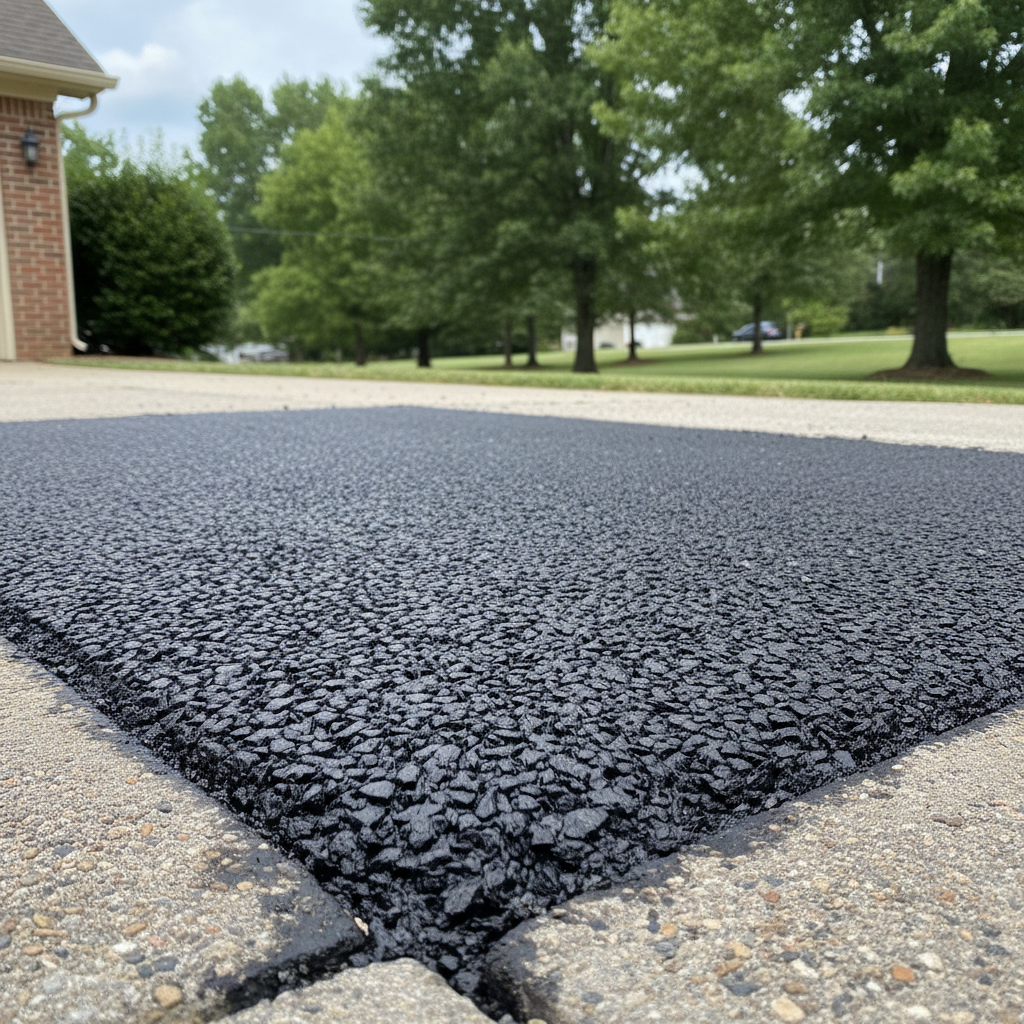
When to Patch It Yourself (And When Not To)
Look, I get it. You spot a crack in your driveway, and your first thought is probably, "Can I just fix this myself?" For some things, absolutely. For others, though, you're just throwing good money after bad, and you'll end up calling someone like me anyway. The trick, really, is knowing the difference.
Small cracks, like those hairline ones or even some that are a quarter-inch wide, you can usually handle. Same goes for minor surface crumbling. We're talking about preventative maintenance here, stopping little problems from becoming big, expensive ones. Think of it like changing the oil in your car – you do it regularly to avoid a blown engine, right?
But if you've got potholes deeper than three inches, or cracks wider than an inch, or if your whole driveway looks like a spiderweb, that's when you need to step back. Those are signs of bigger issues, usually with the base layer underneath, and a DIY patch just won't cut it. You'll only get a temporary fix that'll fail again with our freeze-thaw cycles here in Bowling Green, especially on those older driveways out towards the Plano area that might not have had the best drainage to begin with.
Before You Start: Prep Work is Key
No matter if you're patching a small crack or getting ready for a professional repair, the preparation is crucial. You wouldn't paint over a dirty wall, would you? Same principle applies here.
- Clean it up: Get rid of all the loose debris, dirt, and weeds. A stiff brush, a leaf blower, or even a pressure washer (just let it dry completely afterward!) works wonders. You want a clean, stable surface for anything you put down.
- Edge it out: For cracks, you might need to use a chisel and hammer to slightly widen the crack into a 'V' shape. This gives the patching material something to grip onto. For potholes, you'll need to square off the edges. Cut the asphalt cleanly with a saw or a pickaxe, making sure the sides are vertical. This keeps the new patch from just popping out.
- Dry it thoroughly: This is a big one. Any moisture trapped under your patch will make it fail. Give it a good day or two of dry weather after cleaning, especially if you used water.
Seriously, don't skimp on the prep. It's probably 70% of a good repair job, whether you're doing it or I am.
Your DIY Patching Toolkit (For Small Jobs)
If you're tackling those smaller cracks and minor surface issues, here's what you'll need:
- Crack filler: Comes in a caulk tube or pourable jug. Make sure it's made for asphalt.
- Cold patch asphalt: For small potholes or deeper, wider cracks. You can get bags of this at any hardware store.
- Tamp: A hand tamp or even a heavy piece of wood will work to compact the cold patch.
- Gloves and safety glasses: Always protect yourself.
Apply the crack filler according to the directions. For cold patch, fill the hole a little higher than the surrounding surface, then compact it down. You want it dense. You can even drive your car over it a few times to help compact it further.
When to Call Neighborly Asphalt Co (Or Another Pro)
Alright, so you've assessed the damage, and it's looking like more than a quick fix. Here's when you absolutely should call in the pros:
- Large potholes or alligator cracking: These usually mean the base layer beneath your asphalt is failing. Patching the surface won't solve the root problem. We'll need to dig out the bad sections, repair or replace the base, and then lay down new asphalt.
- Extensive cracking or crumbling: If your driveway is just falling apart everywhere, it's probably past the point of individual patches. You're looking at a larger resurfacing project or even a full replacement.
- Drainage issues: Puddles that sit for days after a rain? That means your driveway isn't shedding water properly, which leads to all sorts of problems. We can assess the grading and make recommendations to fix it.
- Safety hazards: If someone could trip and fall, or if your car is taking a beating every time you pull in, it's time for a professional.
When you call us, we're not just throwing some patch material down. We'll figure out what's causing the problem. Is it poor drainage? A weak base? Just old age? Knowing the cause helps us provide a lasting repair, not just a band-aid. We've got the heavy equipment to cut out sections cleanly, compact the base properly, and lay down hot asphalt that bonds correctly.
After the Repair: Keep It Looking Good
Whether you did a small patch or we did a major repair, a little aftercare goes a long way. Keep heavy vehicles off new patches for a few days if possible. And consider sealcoating your driveway every few years. It protects the asphalt from UV rays, water, and chemicals, extending its life significantly. It's like sunscreen for your driveway, and it makes it look sharp too.
Don't let those small cracks turn into big headaches. Take care of them early, or give us a call at Neighborly Asphalt Co if it's beyond a simple DIY fix. We're here to help keep your Bowling Green property looking good and safe.