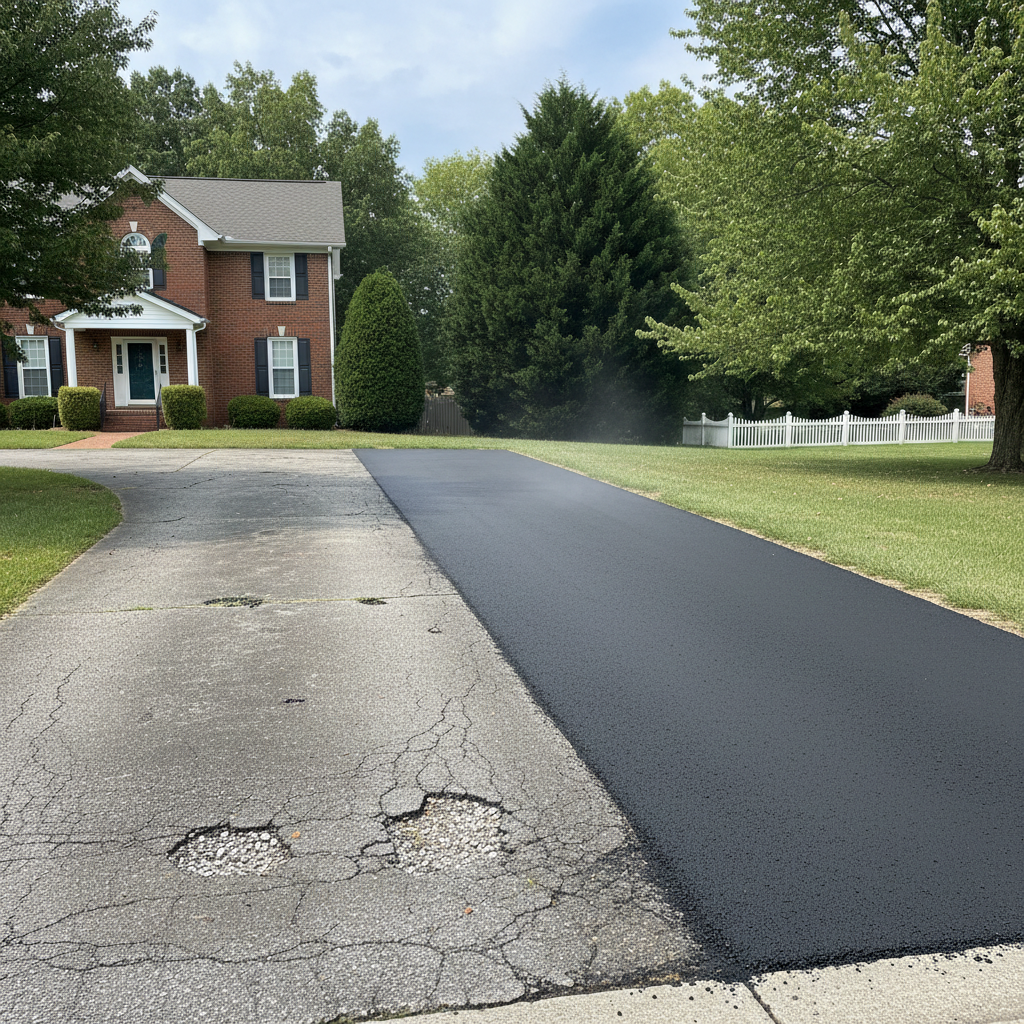
Alright, let's talk driveways. You're looking to put in a new one, or maybe replace an old, cracked mess, and you're probably wondering: asphalt or concrete? It's a common question, and honestly, there's no single 'best' answer for everyone. It really depends on what you're after, what your budget looks like, and what kind of abuse your driveway's going to take.
Initial Cost: Where Your Wallet Feels It First
When you're just getting started, asphalt almost always wins on the upfront cost. It's generally cheaper per square foot to install than concrete. Think about it like this: if you've got a big, long driveway, say out in the country near Richardsville, that initial saving can be substantial. For a lot of folks, that's the main selling point, and it's a good one. You get a solid, functional driveway without breaking the bank right out of the gate.
Concrete, on the other hand, means a bigger investment upfront. The materials cost more, and the labor involved in pouring and finishing it properly can be more intensive. So, if your budget is tight and you need a new driveway now, asphalt's usually the way to go.
Durability & Lifespan: How Long Will It Last?
This is where things get a bit more nuanced. A well-installed asphalt driveway, if you maintain it properly, can last you 15-20 years, sometimes even more. It's flexible, which is a huge benefit here in Bowling Green. Our freeze-thaw cycles, especially in late winter and early spring, can be brutal. Asphalt can expand and contract with the ground movement, making it less prone to cracking from frost heave than concrete. That's a big deal when the ground underneath your driveway is constantly shifting a bit, isn't it?
Concrete is incredibly durable too, but in a different way. It's rigid. A concrete driveway can last 20-30 years, often longer, if it's installed correctly with proper sub-base preparation and expansion joints. The catch? If that sub-base isn't perfect, or if you get a lot of ground movement, concrete is more likely to crack. Once a concrete slab cracks, it's a much bigger headache to repair than a crack in asphalt.
Maintenance: What's the Ongoing Chore List?
Here's where the roles often reverse a bit on the cost front. Asphalt needs regular maintenance. I'm talking about sealing it every 2-5 years, depending on traffic and sun exposure. This isn't just about making it look pretty; sealing protects the asphalt from UV rays, water penetration, and oil spills. It keeps it flexible and extends its life. It's an ongoing cost, but it's crucial.
Concrete is generally lower maintenance. You might want to seal it every few years to protect against stains and moisture, but it's not as critical for its structural integrity as sealing is for asphalt. Cleaning is usually just a power wash. If you get a crack in concrete, though, repairs can be more involved and often more visible than an asphalt patch.
Appearance: What Look Are You Going For?
Aesthetics matter, right? Asphalt gives you that classic, dark, smooth look. It's uniform and can really make landscaping pop. If you like a clean, dark surface that absorbs heat (great for melting snow faster in winter!), asphalt's your pick. It's got a certain understated elegance that works well with most home styles.
Concrete offers more versatility in appearance. You can get it stamped, colored, or exposed aggregate. This means you can customize it to match your home's style more closely, whether you're going for a modern look or something more traditional. If you want a lighter surface that reflects heat, concrete is also a good choice, especially if your driveway gets a lot of direct sun in the summer.
My Recommendation for Bowling Green Homeowners
Given our local conditions – those crazy temperature swings, the clay soils that can expand and contract, and the occasional heavy rain – I usually lean towards asphalt for most residential driveways. The flexibility of asphalt really helps it stand up to our weather patterns better without cracking. You'll get a great looking, durable driveway that handles the elements without costing you an arm and a leg upfront.
Yes, you'll need to seal it every few years. That's just part of owning an asphalt driveway. But those regular maintenance costs are usually less than dealing with major concrete crack repairs down the road. For the typical homeowner in Bowling Green, looking for a reliable, cost-effective solution that handles our climate, asphalt is often the smarter long-term choice.
Of course, if you've got your heart set on a specific decorative concrete look, or you're planning on living in your home for 40+ years and want the absolute lowest maintenance possible after installation, concrete can be a fantastic option. Just make sure whoever installs it knows their stuff about proper sub-base prep and drainage, especially in areas like the hilly parts of Stone Creek where water runoff is a real concern.
At Neighborly Asphalt Co, we've seen countless driveways come and go. We can help you figure out what's best for your specific property and budget. Don't hesitate to give us a call.