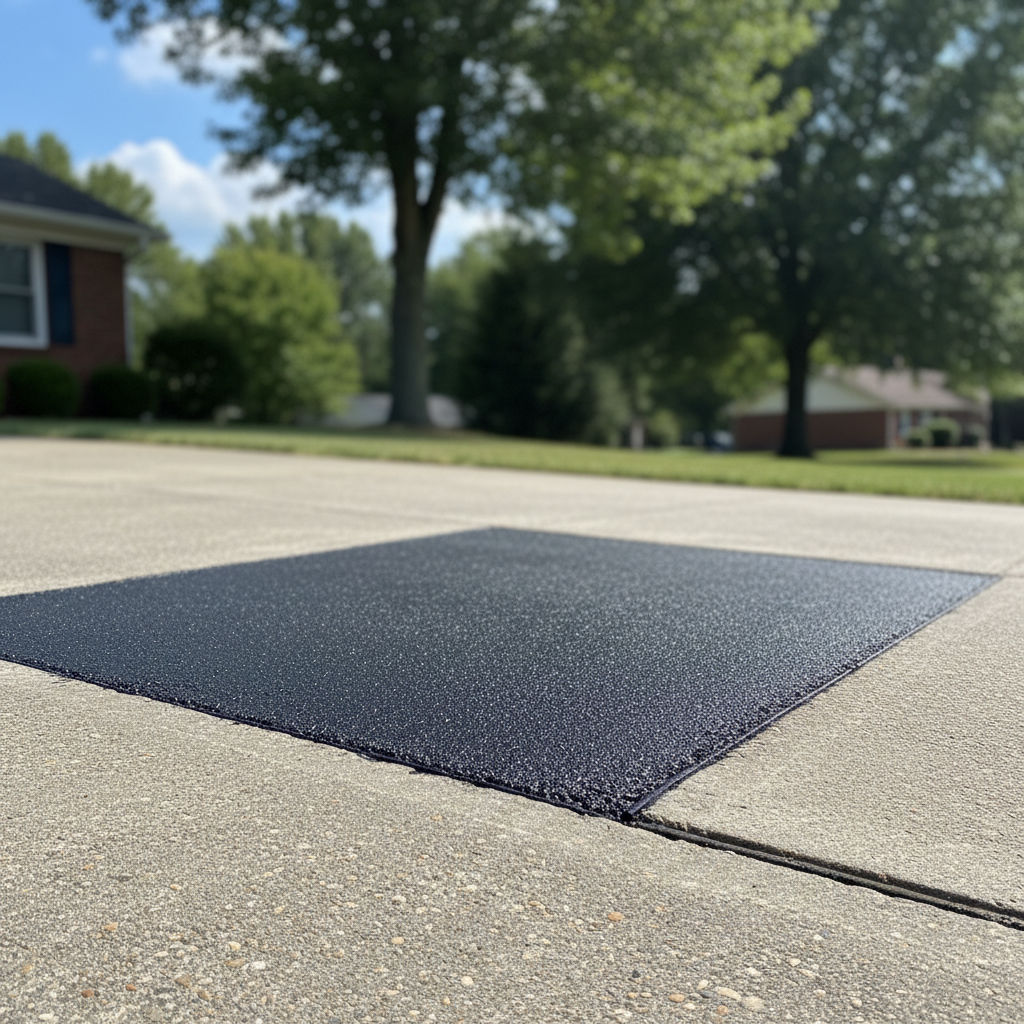
You've got a pothole. Or maybe a spiderweb of cracks that's getting worse by the day. Before you panic and think you need a whole new driveway, let's talk about asphalt patching. It's a common solution for a lot of folks here in Bowling Green, and it can save you a chunk of change if done right. I get a lot of questions about patching, so I figured I'd lay out the most common ones and give you the straight scoop.
What exactly is asphalt patching?
Simply put, asphalt patching is fixing a localized damaged area of your asphalt surface. It's not a full resurface or a new driveway; it's targeted repair. Think of it like putting a patch on a tire – you're addressing the specific problem area to restore the integrity of the whole. We're talking about filling potholes, repairing alligator cracking, or fixing areas where the asphalt has started to crumble.
When is patching the right solution, and when isn't it?
Patching is great for isolated damage. If you've got a few potholes, some significant cracks in one section, or a spot where water has really done a number, patching can extend the life of your driveway considerably. It's cost-effective and prevents those smaller issues from becoming bigger, more expensive ones. However, if your entire driveway is showing widespread cracking, significant rutting, or has lost its structural integrity across the board, patching is just a band-aid. You'd be better off looking at an overlay or even a full replacement in those cases. Patching a completely failed driveway is like trying to fix a leaky boat with duct tape – it won't hold for long.
What are the different types of asphalt patches?
There are a few ways we go about patching, and the best method depends on the damage and the budget:
- Skin Patching (or Surface Patching): This is the simplest, and often least durable, method. We clean the area, apply a tack coat, and then spread a thin layer of new asphalt over the damaged spot. It's quick and cheap, but it doesn't address the underlying issues and can fail pretty quickly, especially with our freeze-thaw cycles here in Kentucky. I don't recommend this for long-term fixes.
- Dig-Out (or Full-Depth) Patching: This is the gold standard for potholes and deep, localized damage. We cut out the entire damaged section, remove all the old material down to the sub-base, compact the sub-base, apply a tack coat, and then fill it with new hot-mix asphalt, compacting it thoroughly. This creates a much stronger, longer-lasting repair because we're fixing the problem from the ground up.
- Infrared Patching: This is a newer, pretty cool technique. We use infrared heaters to soften the existing asphalt around the damaged area, add a bit of new asphalt, and then rake and compact it all together. It creates a seamless bond between the old and new asphalt. It's great for smaller, shallower repairs and can be very efficient, especially in colder weather.
How long does an asphalt patch last?
That really depends on the type of patch and the quality of the work. A skin patch? You might get a year or two, maybe less if it's in a high-traffic area or we have a harsh winter. A properly executed dig-out patch, using hot-mix asphalt and good compaction, can last many years – often as long as the surrounding pavement, if the underlying issues were fully addressed. Infrared patches also offer good longevity for the right kind of damage. It's all about getting to the root of the problem and using the right materials and techniques.
Can I just use cold patch from the hardware store?
Look, for a super temporary fix, like if you've got a dangerous pothole and you're waiting for a professional, cold patch can get you by for a little while. But it's not a permanent solution, not by a long shot. Cold patch material isn't designed to bond like hot-mix asphalt, and it doesn't compact as densely. It'll break down, wash out, and generally fail pretty quickly, especially with the heavy rains we get around Bowling Green. It's a stop-gap, not a repair. If you want something that lasts, you need professional-grade hot-mix asphalt and proper installation.
What's the process when Neighborly Asphalt Co. does a patch?
When we come out for a patching job, we start by assessing the damage to figure out the best approach. For a dig-out patch, we'll mark out the area, cut it cleanly, and remove all the old, bad material. We make sure the base is solid and properly drained. Then we apply a sticky tack coat to help the new asphalt bond. We'll fill the area with fresh, hot asphalt, making sure to compact it thoroughly in layers until it's level with the surrounding pavement. We don't just dump it in there; proper compaction is key to durability. For infrared, we'd heat, rake, add, and compact. We always aim for a repair that blends in and holds up.
How can I prevent future patching needs?
Good question! Prevention is always cheaper than repair. The biggest thing is to address small cracks early. Crack sealing is your best friend here. If water gets into those cracks and freezes, it expands, and that's how potholes start. Keep your driveway clean, make sure drainage is good so water isn't sitting on the surface, and if you see small issues, get them looked at before they become big ones. Regular sealcoating every few years also protects your asphalt from UV rays and water penetration, which helps prevent a lot of common damage.
Hopefully, that clears up some of the mystery around asphalt patching. If you've got a spot that needs attention, don't hesitate to give us a call. We'll come take a look and give you an honest opinion on the best way to fix it.